
Published November 26, 2025
🏡 How to Price Your Home Right in Today’s Market

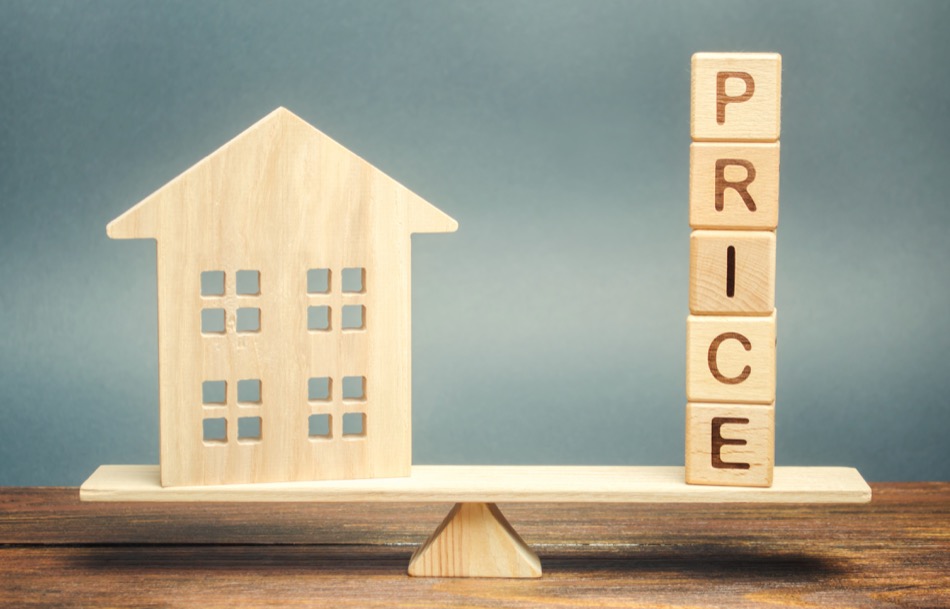
Pricing your home correctly is one of the most important decisions you’ll make when selling. In a fast-changing real estate market—where buyer demand, interest rates, and inventory shift month to month—your pricing strategy can make or break your sale.
Set the price too high, and you lose momentum, discourage buyers, and risk sitting on the market for months.
Set the price too low, and you leave money on the table.
To achieve the strongest price and fastest sale, you need a strategy rooted in real data, local market expertise, and buyer psychology. Here’s exactly how real estate professionals determine home value—and why pricing your home right from the beginning is crucial.
🔍 Understanding CMAs (Comparative Market Analyses)
A CMA, or Comparative Market Analysis, is the foundation of every accurate home valuation. It helps determine your home’s true market value by comparing it with similar properties that recently sold or are currently on the market.
A CMA evaluates:
✔ Recent comparable sales
Homes that match yours in size, location, age, upgrades, condition, and style.
✔ Active listings
Your direct competition and what buyers will compare you to today.
✔ Pending sales
One of the strongest signals of what buyers are currently willing to pay.
✔ Expired and withdrawn listings
These show where other sellers overpriced—and failed.
✔ Market trends and seasonality
Interest rates, inventory levels, buyer traffic, and timing all affect pricing.
If you missed it, see our Nov 13 blog: “Is the Market Cooling or Heating Up?”
✔ Neighborhood micro-trends
Even within the same town or school district, home values can vary street by street.
✔ Condition, upgrades, and features
A beautifully updated kitchen or new roof can shift your value by tens of thousands.
A CMA is the most accurate tool for determining value because it uses real-time market data, not estimates or automated online guesses.
❌ Why Overpricing Backfires
Sellers often think:
“Let’s try a higher price first. We can always come down.”
Unfortunately, this strategy almost always leads to worse results.
Here’s why:
1. You lose the most important window of exposure
The first 7–14 days on the market attract the most serious, ready-to-buy buyers.
Overpriced homes get fewer showings, fewer clicks, and fewer inquiries.
2. Buyers assume something is wrong
When a home sits too long, buyers think:
-
“It must be overpriced.”
-
“There must be problems.”
-
“Why hasn’t anyone else bought it?”
Stale listings lose leverage.
3. You help competing homes sell
Well-priced homes nearby look like a much better deal.
4. Price reductions send a signal
Buyers often wait for the next reduction instead of acting now.
5. You ultimately net less
Statistically, overpriced homes sell for 3–6% less than homes priced correctly from the start.
Pricing too high is not “trying your luck.”
It’s hurting your leverage.
📈 Pricing Strategies in a Shifting Market
The market in 2025 and heading into 2026 is dynamic—interest rates fluctuate, inventory rises or drops seasonally, and buyer motivation changes throughout the year.
Here are proven pricing strategies that work:
1. Price WITH the market, not above it
If the market is softening, buyers won’t chase your price.
If competition is rising, you must stay competitive.
2. Use strategic price bands
Buyers search in ranges—$400–$450k, $450–$500k, $500–$550k, etc.
Choosing the right band expands visibility.
3. Consider pricing at market value to drive demand
A well-priced home can:
-
Increase showing activity
-
Attract multiple buyers
-
Create urgency
-
Potentially generate above-asking offers
4. Watch pending sales closely
Pending homes tell you where the market is right now, not where it was 90 days ago.
Pricing is both data-driven and behavior-driven—and mastering both creates the strongest results.
🔄 When to Adjust — and Why It Matters
Even a well-priced home may need adjustments when:
✔ Buyer traffic slows
If you’re not getting showings in the first 10–14 days, the market has spoken.
✔ The feedback is consistent
If multiple buyers mention price or condition, it’s time to respond.
✔ New competition hits the market
A surge of similar listings can instantly change demand.
✔ Interest rates shift
Higher rates reduce buyer budgets. Lower rates increase demand.
✔ Online performance drops
Low saves, clicks, or showing requests mean the price isn’t aligned with buyer expectations.
Adjusting early protects your momentum—and your final sale price.
Waiting too long almost always leads to deeper reductions later.
💬 Final Thoughts: Price Smart, Sell Strong
Pricing your home isn’t guesswork.
It’s a strategic blend of market data, buyer psychology, neighborhood knowledge, and timing.
When you price your home right, you attract more qualified buyers, sell faster, and maximize your equity. And in today’s shifting market, you deserve a pricing strategy that reflects the real value of your home—not an automated estimate or outdated advice.
That’s where I come in.
📞 Request Your FREE Custom Home Value Report
Get a clear, accurate estimate of your home’s current market value—based on real comps, real data, and local expertise.
No algorithms.
No automated guesses.
Just a professional CMA tailored to your home.
👉 Click here to request your free custom home value report.
🤝 Connect with Your Local Real Estate Expert
Ready to make your Next Move in Pennsylvania, Delaware, or Maryland? When you work with us, you gain access to local expertise backed by a nationwide network of real estate partners.
Jim Arcidiacono, REALTOR®
Next Move Delaware Valley
Licensed in PA, DE, & MD
📞 Call/Text: (302) 983-4640
📧 Email: jim@nextmovedelval.com
🌐 Website: www.nextmovedelval.com
Need to Get Started Now? Access Your Free Resource Hub!
➡️ FREE guides to buying, selling, and investing: https://stan.store/NextMoveJim


